
Why Effective Signage In Hotel Matters For Guest Experience?

Time:2026-08-19 Author:Liam
0%

Effective signage in hotels plays a crucial role in shaping the guest experience. Clear and well-designed signage guides visitors seamlessly through the hotel. It helps them locate amenities, find their rooms, and navigate the property effortlessly. Without effective signage, guests may feel lost, frustrated, or even anxious.

Signage in hotels also reflects the establishment's professionalism. Thoughtful designs convey a sense of care and attention to detail. For instance, directional signs should be easy to read and visually appealing. When guests see this effort, they feel more at ease during their stay. However, some hotels overlook the importance of visibility and color contrast, leading to confusion.

Moreover, effective signage can enhance a hotel's brand image. It communicates the ambiance and style guests can expect. Guests will remember the hotel experience based on how easily they can navigate its spaces. The impact of signage in hotels is undeniable. Conversely, poor signage can leave a bad impression. In the fast-paced world of hospitality, every detail counts.
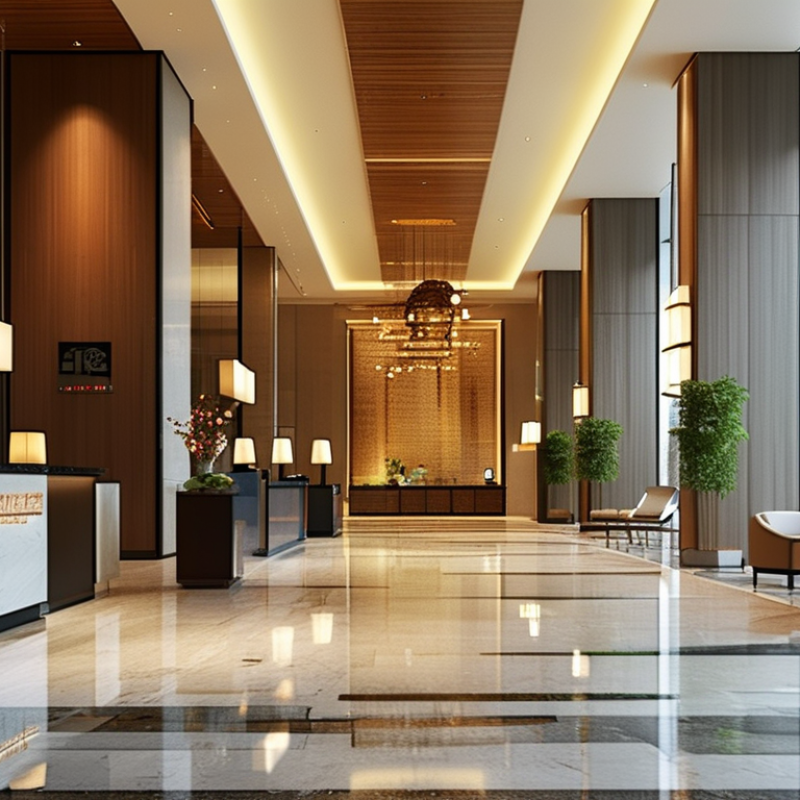
Why Effective Signage In Hotel Matters For Guest Experience?

Importance of Signage in Enhancing Guest Experience in Hotels

Effective signage plays a critical role in enhancing the guest experience in hotels. Clear and visible signs guide guests through the hotel, whether they are looking for the lobby, elevators, or dining areas. A well-placed sign can make the difference between a stress-free experience and confusion. Guests appreciate clarity. It makes them feel welcomed and cared for.

Incorporating visually appealing elements in signage can enhance its impact. Using colors that match the hotel’s theme makes signs more attractive. However, the information should remain legible. A creative design can draw attention, but readability is essential. Some hotels might overlook this aspect, leading to mixed messages. Signage should reflect the establishment's branding while being functional.

It’s important to regularly assess the effectiveness of signage. What worked at one point may not resonate later. Gathering guest feedback can identify areas for improvement. Perhaps some signs are outdated or confusing. Adapting to the guests' needs ensures a better experience. The aim should be a seamless journey through the hotel, supported by thoughtful signage.

Why Effective Signage In Hotel Matters For Guest Experience?

Signage Type Importance Impact on Guest Experience Recommended Practices
Directional Signs Helps guests navigate the hotel Reduces confusion and enhances satisfaction Use clear icons and consistent positioning
Informational Signs Provides essential information Increases guests' awareness of amenities Ensure information is up-to-date and visible
Safety Signs Communicates safety protocols Enhances guest trust and comfort Use universally recognized symbols and clear language
Promotional Signs Highlights special offers and events Increases participation and engagement Create eye-catching designs and strategic placements
Digital Signage Provides dynamic and interactive content Enhances experience with real-time updates Ensure technology is user-friendly and accessible

Types of Signage That Improve Navigation and Comfort for Guests

Effective signage in hotels plays a crucial role in enhancing the guest experience. When guests arrive, clear signs help them navigate the property with ease. Wayfinding signs, like directional arrows and information boards, guide visitors to key areas such as the lobby, elevators, and dining facilities. These small details can significantly reduce confusion and make guests feel more comfortable.

A variety of signage types can improve navigation. Informational signs provide essential details about hotel amenities, services, and hours of operation. The inclusion of pictograms alongside text caters to diverse guests. Rooms labeled with numbers ensure guests can quickly find their way. Use of bright colors and legible fonts enhances visibility. Consistency in design also reinforces brand identity.

Tips: Consider incorporating interactive signs that allow guests to learn more about the hotel and its offerings. Digital screens can display event schedules and local attractions. Evaluate signage regularly to identify areas for improvement. Guest feedback can provide insights into confusing layouts or unclear messages. This reflection can guide updates to signage, ensuring a continually enhanced guest experience.

Role of Clear and Concise Messaging in Hotel Signage

Effective signage in hotels plays a critical role in shaping a guest’s experience. Clear and concise messaging helps guests navigate the space effortlessly. Imagine a weary traveler arriving at a hotel, grappling with luggage. They seek directional signs that guide them to check-in without confusion. If signage is cluttered or vague, frustration can quickly replace their initial excitement.

Conciseness is key in hotel signage. Simple phrases, bold fonts, and intuitive icons enhance accessibility. Too often, hotels overlook the importance of clear communication. A sign reading "Elevator" is vastly preferable to an overly descriptive message. Hotel staff should ensure consistency in language to avoid misinterpretation. When messaging aligns with guests' expectations, it fosters a sense of ease and comfort.

However, not every signage design is flawless. Sign placement can also be an afterthought. For instance, a sign placed too high may go unnoticed by some guests. Regular reviews and updates of signage can bridge these gaps. Engaging guest feedback can reveal blind spots. Therefore, refining signage is not just about aesthetics; it’s about enhancing the overall guest experience.

Impact of Aesthetic Design on Guest Perception and Satisfaction

Signage in hotels plays a crucial role in shaping guest perception. When guests arrive, the signs they encounter create an immediate impression. Well-designed signage can communicate warmth and professionalism. It directs guests efficiently, minimizing confusion. However, poorly designed signs often lead to frustration. Unclear or cluttered information detracts from the overall experience. Aesthetics matter significantly; they should align with the hotel’s theme and ambiance.

Guests respond to visual elements. For instance, a creatively crafted directional sign can evoke positive emotions. Colors, fonts, and materials influence mood and comfort. Thoughtful design fosters a sense of belonging. Yet, some hotels overlook consistency in signage. Inconsistent styles can confuse guests and diminish brand reliability. It is essential to reflect on how design choices impact satisfaction. Aesthetic missteps can negate the effort spent on service excellence.

The goal of signage should go beyond mere functionality. It should enhance the guest journey. Engaging and informative signs invite exploration. They should also provide moments of delight, not just direction. Balancing clarity and design is key. Hotel signage must be a reflection of the brand’s identity while ensuring guests feel welcome and informed. Additional considerations for future improvements can always enhance the guest's experience.

Best Practices for Implementing Effective Signage in Hotel Environments

Effective signage in hotels plays a crucial role in enhancing guest experience. Clear, well-placed signs help guests navigate complex spaces. They reduce confusion and improve overall satisfaction. Consider incorporating visual elements that reflect the hotel's character. For example, elegant fonts or the hotel's color palette can create a cohesive look. This attention to detail aids in establishing a memorable environment.

When implementing signage, simplicity is vital. Use straightforward language and universally recognized symbols. Too much text can overwhelm guests. Signs should be easy to read from a distance. Experiment with the sizes and placements. It may take several attempts to find the optimal arrangement. Don’t overlook the importance of multilingual signs in diverse guest populations. This inclusion fosters a welcoming atmosphere.

Feedback is essential to improving signage. Engage with guests to understand their navigation challenges. Sometimes, signs can blend into surroundings, leading to frustration. Regular updates or redesigns help maintain visibility. Continuously refining this aspect of the hotel experience can lead to better guest interactions and positive reviews.

FAQS

: Why is effective signage important in hotels?

: Effective signage guides guests, making their experience smooth. Clear signs can reduce confusion and enhance comfort levels.

How can signage design impact guest experience?

Visually appealing signs attract attention. However, readability is essential. Poorly designed signs may lead to mixed messages.

What types of signage are beneficial for navigation?

Wayfinding signs, informational boards, and room labels guide guests. Bright colors and legible fonts help guests find their way easily.

How should hotels assess their signage?

Regular assessments are essential. Gathering guest feedback can highlight outdated or confusing signs, allowing for necessary improvements.

What role does clear messaging play in signage?

Clear messaging helps guests navigate effortlessly. Concise phrases and intuitive icons enhance accessibility and prevent frustration.

Can signage be improved continuously?

Yes, continuous improvement is vital. Regular reviews and guest feedback can identify blind spots, ensuring signage meets guests' needs.

Conclusion

Effective signage in hotels plays a crucial role in enhancing the overall guest experience. Well-designed signage improves navigation, ensuring that guests can easily find amenities and services, which significantly contributes to their comfort and satisfaction. The use of clear and concise messaging is vital, as it helps to eliminate confusion and allows guests to feel more at ease in their surroundings.

Additionally, aesthetic design elements in hotel signage can positively influence guest perceptions, making the environment more inviting and visually appealing. To maximize the impact of signage in hotel settings, implementing best practices such as strategic placement, consistent branding, and user-friendly designs is essential. By focusing on these aspects, hotels can create an atmosphere that not only meets guest needs but also enhances their overall experience.

Liam

Liam

Liam is a dedicated marketing professional with a profound expertise in the industry, where he excels at highlighting the unique advantages of our core products. With a keen understanding of market trends and consumer needs, Liam frequently updates our company’s professional blog, providing......